Challenge
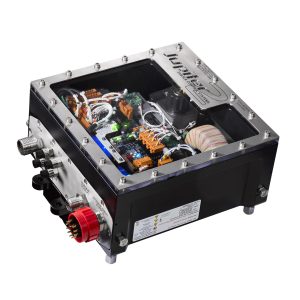
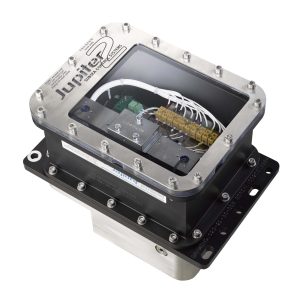
A client using a Jupiter 2 Torque Tool Control System, originally manufactured in 2012, contacted the Zetechtics support team with a requirement to enhance operational control of a torque tool.
The client’s end customer required the ability to perform torque tool operations at incremental torque levels, expressed as a percentage of the maximum torque limit, up to 80%. The process required approximately 20 cycles at each torque step in both clockwise (CW) and counterclockwise (CCW) directions.
The client had identified the existing Nudge function as a potential solution but sought expert guidance on the most effective method of achieving the requirement, along with any recommended operational precautions.
Solution
Following a review of the application, the support team identified that the Impact function, available within the latest Torque Tool Control setup files, was ideally suited to the client’s needs.
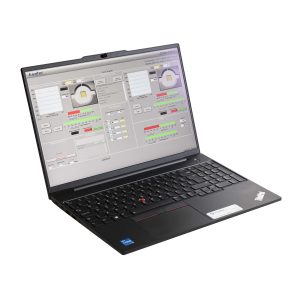
The Impact function enables operators to define a fixed flow rate, hold time and wait time, while allowing torque demand to be adjusted directly from the main operating screen. Torque levels can also be increased while the function remains active, providing greater flexibility during operation.
When activated, the software applies torque demand to the valves for the configured hold period before removing the demand during the wait period. This cycle continues automatically until one of the following conditions is met:
- The operator stops the function
- The configured torque limit is exceeded
- The preset turns value is reached
To enhance operational safety, the system displays a confirmation dialog whenever Impact CW is selected, ensuring operators acknowledge the potential risk of overtightening before proceeding.
Originally developed to assist with the release of seized or difficult-to-operate valves, the Impact function has since become a standard feature. When combined with a low Preset Turns value, such as 0.05 turns, operators can gradually increase torque demand with confidence, knowing that the function will stop as soon as movement is detected at the valve.
Because of the age of the Jupiter 2 TTCS, a firmware update was required to ensure compatibility with the latest setup files. Working closely with the client, the support team provided remote assistance and technical guidance throughout the upgrade process. The system was successfully updated, and the required functionality was verified using the appropriate setup file.
Outcome
Following implementation, the client reported successful completion of their valve-opening operations, including the release of several over-torqued valves.
The project also generated valuable operational data, and the client’s end customer subsequently engaged the support team for assistance in interpreting the data logs produced during testing and operation.
Conclusion
This project demonstrates the continued value and adaptability of Jupiter 2 Torque Tool Control Systems. More than a decade after installation, the system was successfully upgraded and reconfigured to meet a specific operational requirement with minimal downtime.
By combining a firmware update, modern software functionality, and targeted technical support, Zetechtics delivered a practical solution that extended system capability. The Impact function provided the required operational control while also capturing valuable data for further analysis.
This case highlights how Zetechtics helps operators maximise the lifespan and performance of installed subsea control systems. Through incremental upgrades and application expertise, legacy assets can be effectively modernised to meet evolving operational demands in challenging subsea environments.
“Just wanted to thank you again for the support, the impact function worked fine with us, and the over torqued valves are open now.”